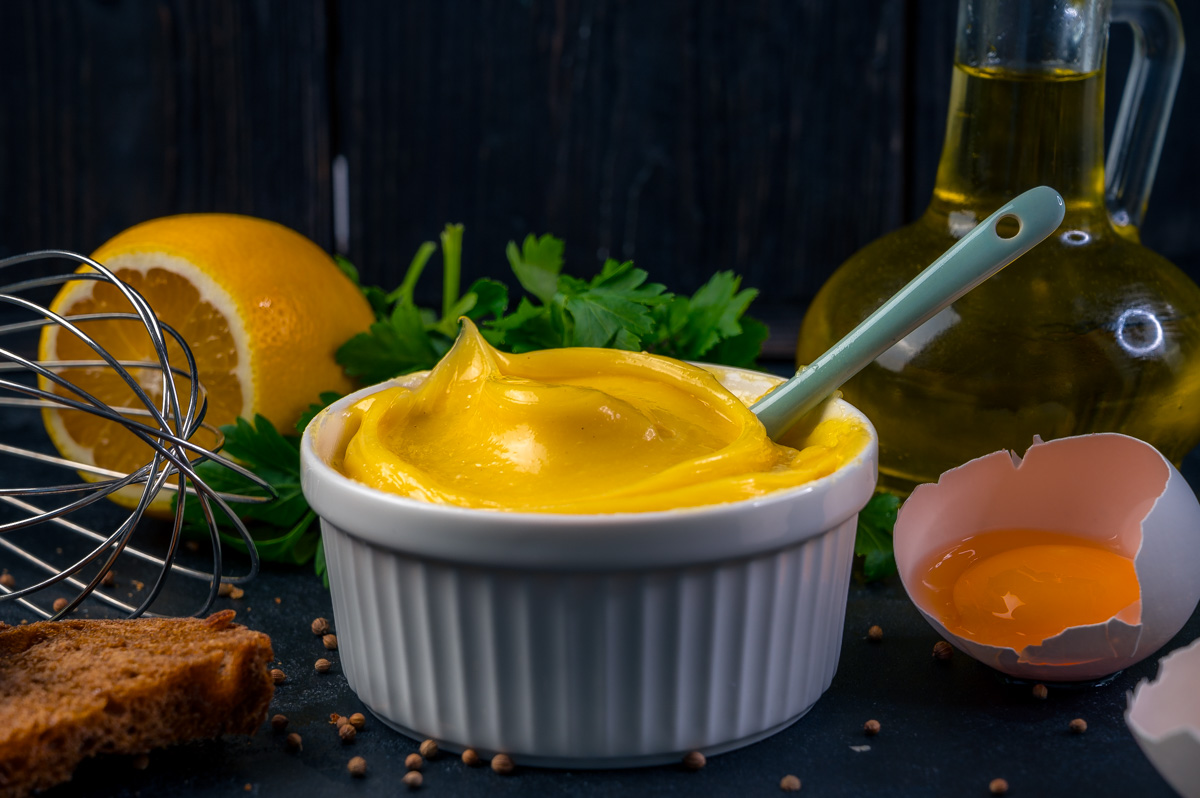

Mayonnaise is a delicate, thick, versatile French sauce with a bright taste and aroma. This delicious homemade equivalent of store-bought product follows a recipe that creates a classic flavor taste but with simple, understandable ingredients.
In this recipe, I prepared the classic sauce base using egg yolks, lemon juice, and mustard. Once you have the mayonnaise ready, you can add your favorite ingredients and seasonings to taste: capers, sun-dried tomatoes, basil, herbs, paprika, olives, garlic, or pepper.
This mayonnaise can be used as a base for garlic mayo sauce.
Ingredients for 6 portions
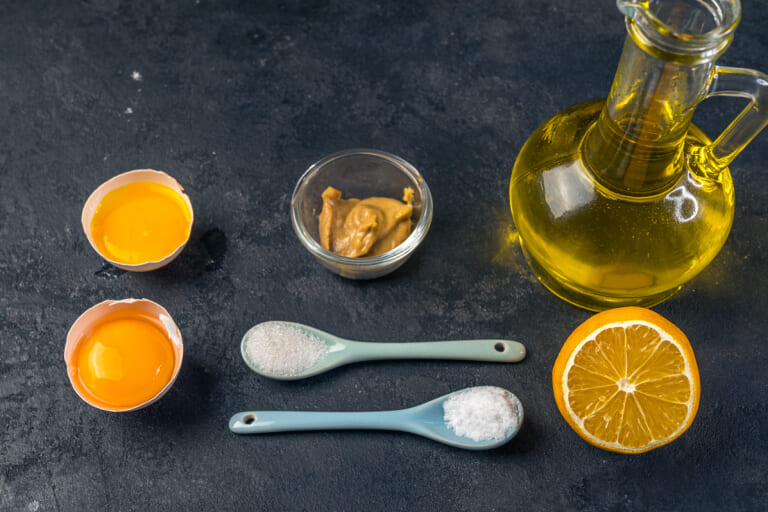
- 2 large Egg yolks
- 2/3 cup Refined Vegetable oil neutral-flavored (150 ml)
- 1/2 tsp Salt
- 1/2 tsp Sugar
- 1/2 tsp Dijon Mustard
- 2 tsp Lemon Juice
How to Make Mayonnaise at Home
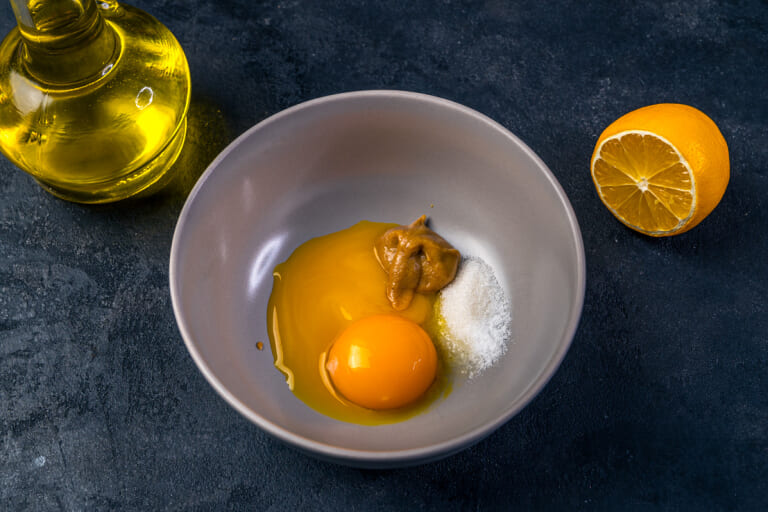
Ensure all ingredients are at the same temperature. Separate the egg yolks from the whites. Use room temperature eggs for best results. Add salt, sugar, and mustard to the yolks. Choose a mustard that is neither sweet nor too spicy.
Thoroughly wash the eggs beforehand using baking soda or a special cleaner. The eggshells must be perfectly clean since we'll be using raw yolks. Take the eggs and other ingredients out of the refrigerator in advance to allow them to reach room temperature.
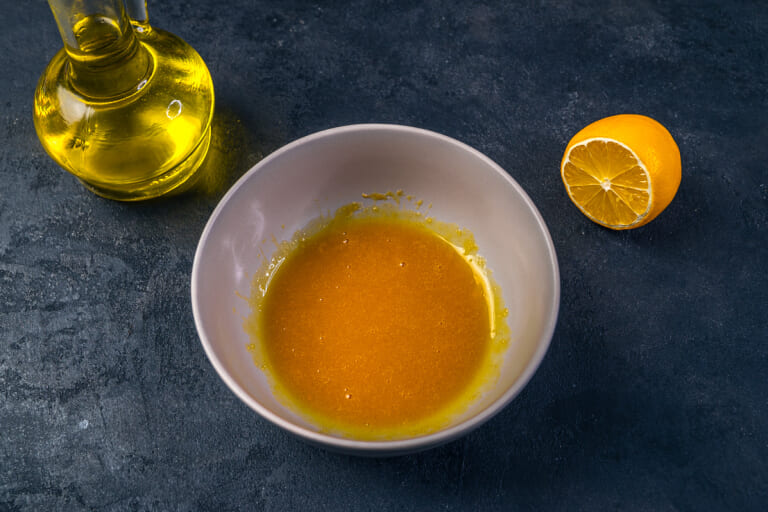
Beat the eggs with mustard until smooth, but do not overbeat them. They should not become too liquid. You can use a whisk or a mixer at minimum speed.
I use a blender with a whisk attachment. In my opinion, it's ideal for this task as it doesn't overbeat the sauce like a regular mixer would. This attachment also makes it convenient to prepare mayonnaise directly in a jar. A tall container makes the whisking process easier and, most pleasantly, keeps all the dishes clean.
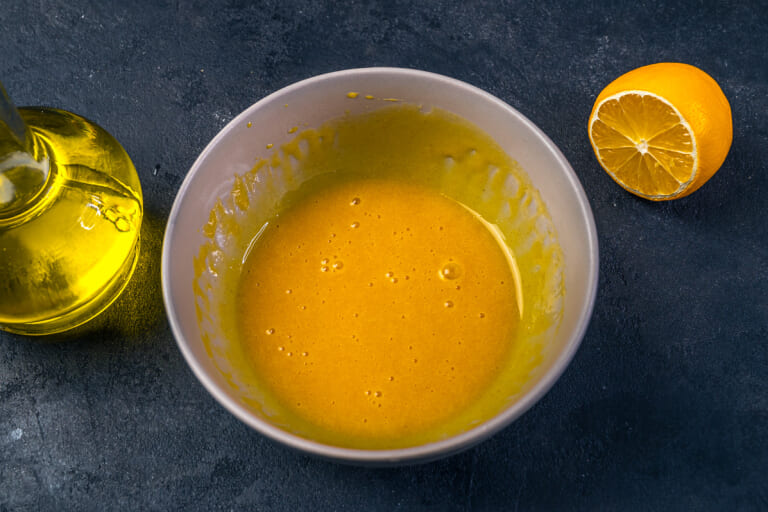
Begin adding vegetable oil drop by drop. Mix the yolks thoroughly, allowing them to absorb all the oil before adding the next portion. At this stage, it's crucial to create a base for the emulsion, not a liquid that separates into egg and oil.
Use refined and fresh oil. If the oil has a strong taste and smell, like unrefined olive oil, the mayonnaise will taste like that oil. If the oil isn't very fresh and has a bitter taste, the finished sauce will be bitter too.
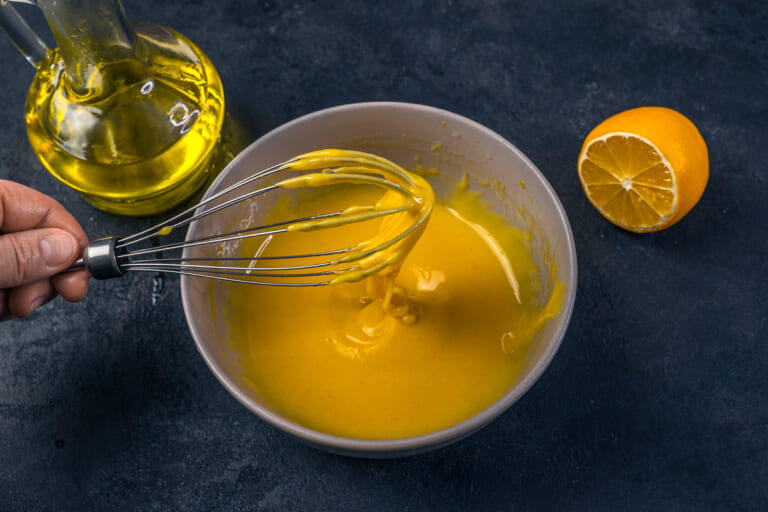
As you add more oil, the sauce will start to thicken, become lighter in color, and turn into an emulsion. The larger the volume of the sauce, the more oil you can add at once. While you begin with just a drop, by the end of the process you can add oil by the tablespoon or pour it in a thin stream.
It doesn't matter whether you add oil in portions or pour it in a thin stream. The key is to prevent the sauce from separating. Each new addition of oil should blend with the sauce before adding more, and the sauce should become thicker and lighter in color.
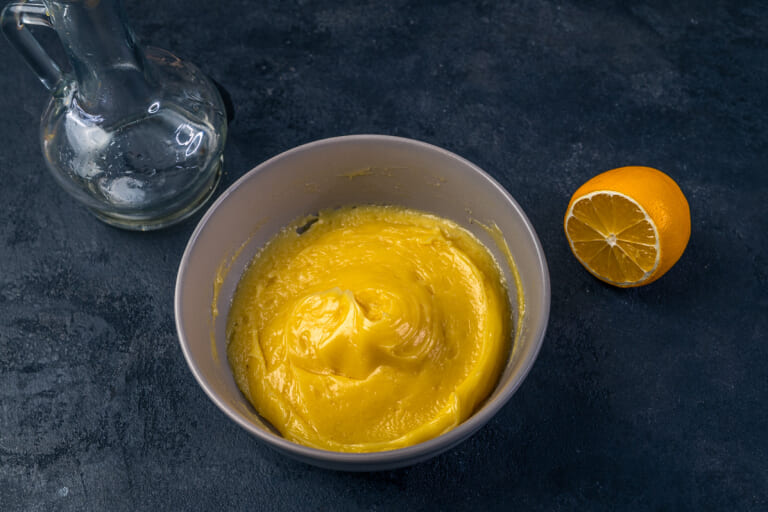
By the end of the process, you'll have a thick, uniform sauce that clings well to the whisk and doesn't drip off the spoon.
If the mayonnaise doesn't thicken, fails to emulsify, remains liquid, or separates into two layers (egg and oil), the mayonnaise hasn't worked out.
If your mayonnaise fails, you can fix it this way: In a separate container, start preparing a new batch of sauce. For extra assurance, you can use a whole egg. Once the new batch of mayonnaise has turned into a thick sauce, begin adding small portions of your failed mayonnaise instead of oil. Add the entire failed batch this way, and you'll end up with a double portion of homemade mayonnaise.
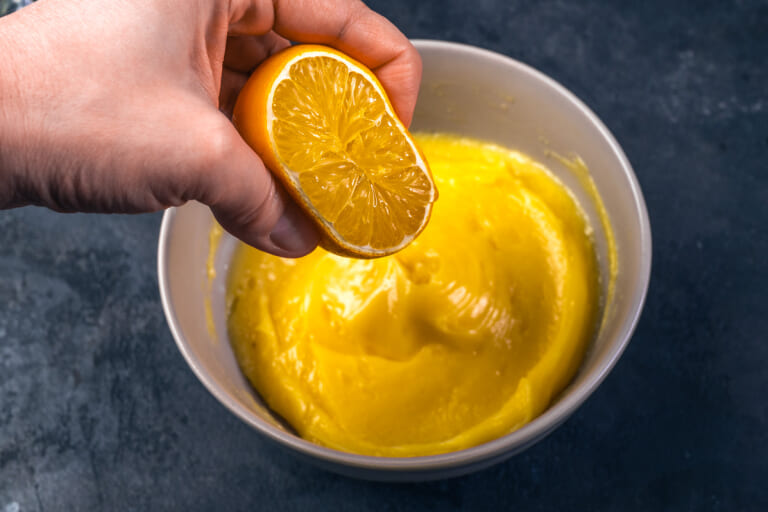
Once the mayonnaise reaches your desired consistency, add 2 teaspoons of lemon juice. Keep in mind, the more oil we add, the thicker our sauce will become, so it's best to adjust its consistency by eye.
You can substitute wine vinegar or apple cider vinegar for lemon juice.

Whip the mayonnaise until smooth. After adding the lemon juice, the sauce will become lighter in color, more delicate, and slightly more liquid.
At this stage, it's the perfect time to taste the sauce and adjust it to your liking. For example, I added a bit more salt, mustard, and lemon juice for a bolder flavor. You can also add garlic, olives, capers, herbs, spices, and seasonings to taste.
Egg yolk mayonnaise turns out quite thick, and it will thicken even more in the refrigerator. If you want a thinner sauce: add 2-4 tablespoons of water and whip it again until smooth, perfect for a runny salad dressing.

The homemade egg yolk mayonnaise is ready. Store this mayonnaise in an airtight jar in the refrigerator for two to three days. If desired, you can extend the storage time to a week, but remember that the acidic mayonnaise environment is ideal for the growth of salmonella, which may be present in raw eggs.
You can also make homemade mayonnaise using a whole egg with a blender. This sauce is easier to prepare, as you can add all the oil at once and whip the mayonnaise in one go.
Recipe Tips
Tips for Making Homemade Mayo
- All ingredients should be at the same temperature, ideally room temperature. The warmer the products (within reason), the faster the emulsion will form.
- Fresh and refined oil is key. Use refined, odorless oil without a strong taste or bitterness. Since mayonnaise is 60-85% oil, it's responsible for the sauce's flavor. For taste and aroma, you can add a small amount of unrefined oil, such as olive oil, but it shouldn't exceed 20% of the total oil quantity. Otherwise, your mayo might end up with an overpowering oily taste, smell, and bitterness. Trust me, that's not very appetizing.
- If your mayonnaise turns out too thin – add more oil. The more oil we add, the thicker the mayonnaise becomes, which is great if you prefer a thicker consistency for a sandwich spread or French Fries.
- If your mayonnaise is too thick – add water. At the end of preparation, you can add 2-4 tablespoons (30-60 ml) of water or milk to thick mayonnaise. It will become more liquid, but this might reduce its shelf life.
- If your mayonnaise doesn't come together, you can fix it by making a new batch of thick mayonnaise and then incorporating the failed sauce instead of oil.
- Make mayonnaise directly in a jar. It's easier to whip the sauce in a tall container, and there's no extra dirty dishes.
Leave a Comment