

My preferred method for cooking a rabbit involves braising it in white wine with aromatic herbs. This technique results in exceptionally tender, juicy meat that effortlessly separates from the bone. The flavor profile is rich and intense, and the accompanying gravy is exquisite. Although rabbits are typically lean and healthy, this approach transforms them into an irresistibly delicious dish.
Ingredients for 5 portions
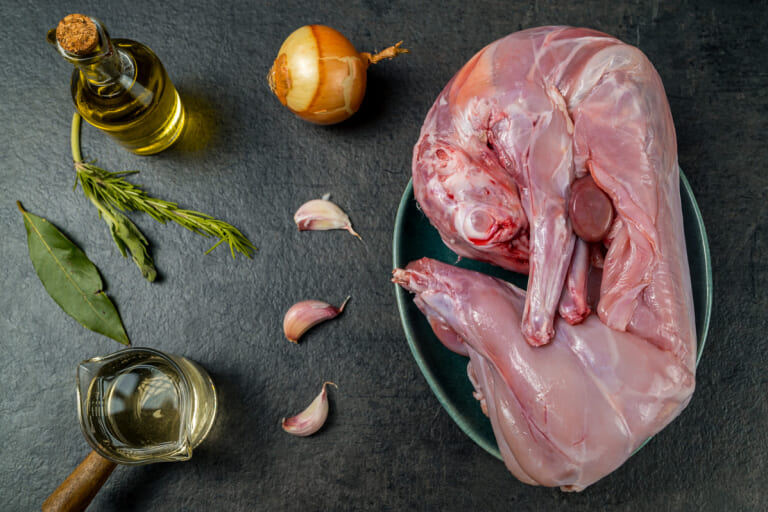
- 1 Rabbit
- 3 cloves Garlic
- 1 whole Onion
- 3/4 cup White wine dry (200 ml)
- 1 sprig Rosemary
- 1 sprig Sage
- 1 Bay leaf
- 2 berries Allspice
- 4 berries Juniper
- 1/2 tbsp Salt
- 2 cup Water (500 ml)
- 3 tbsp Vegetable oil
- 1 1/2 tbsp Butter (20 g)
How to cook
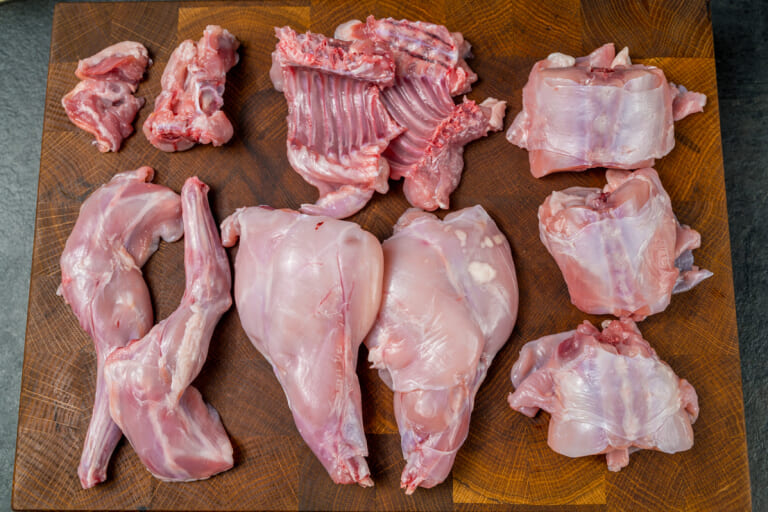
Cut up a rabbit
To prepare the rabbit, cut it into portions. I typically separate the legs and divide the backbone into serving pieces, but you can chop it into smaller pieces if desired. Use a kitchen cleaver, culinary scissors, or a sharp knife for this task. After cutting, rinse the meat under running water to remove any bone fragments and pat it dry with paper towels. For this recipe, I used a small fryer rabbit weighing about 2.6 lbs (1200 grams).
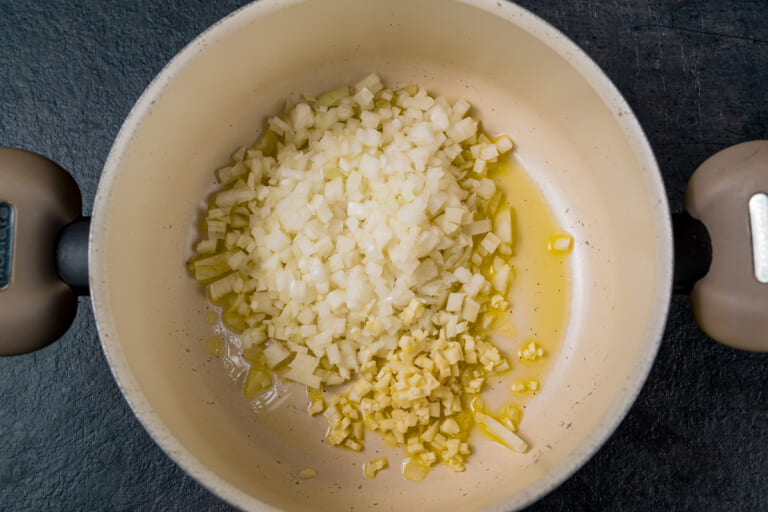
Sauté the Vegetables
Finely chop a medium onion and three cloves of garlic. Heat two tablespoons of vegetable oil, either sunflower or olive oil, in a thick-walled pot. Sauté the chopped onion and garlic until they turn golden brown. If you prefer, you can chop the vegetables more coarsely since they will become part of the sauce during cooking.

Brown the Rabbit
To brown the rabbit pieces, heat a pan and add a mixture of 1-2 tablespoons of vegetable oil and 1.5 tbsp (20 grams) of butter. The goal is to seal in the meat juices, so cook the rabbit over high heat in small batches, ensuring they are in a single layer. It's best to use a separate skillet for this step. However, if you prepare a small portion, you can brown the rabbit directly in the pot with the onions and garlic.
In some recipes, rabbit pieces are coated in flour before frying. This helps to thicken the sauce. While rabbit in wine tastes delicious, you can use this trick if you prefer a thicker sauce. Additionally, there is no need to marinate the meat beforehand.
Should you soak rabbit in water?
No, you don't need to soak domesticated rabbits in water. Traditionally, game meat is soaked before cooking, but farmed meat does not require this step. Therefore, while wild hares should be soaked, store-bought rabbits do not need this preparation.
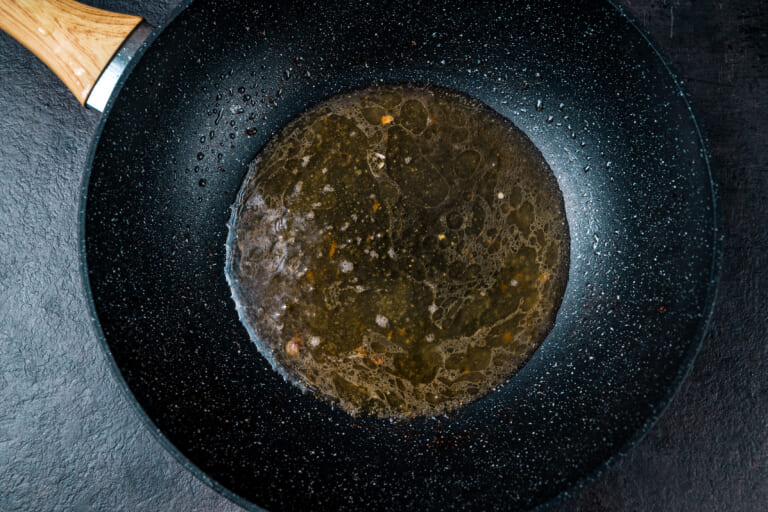
Deglaze with wine
To deglaze:
- Pour 3/4 cup (200 ml) of dry white wine into the pan where the rabbit was fried.
- Let the wine boil to absorb all the flavors left in the pan. If any sticky bits remain, scrape them off with a spatula to ensure no drop is lost.
- Boil the wine for 1-2 minutes to evaporate most of the alcohol.
Which Wine to Use?
Use table white wine for this recipe, regardless of price or aging. Avoid sweet and semi-sweet wines, which can alter the dish's flavor.
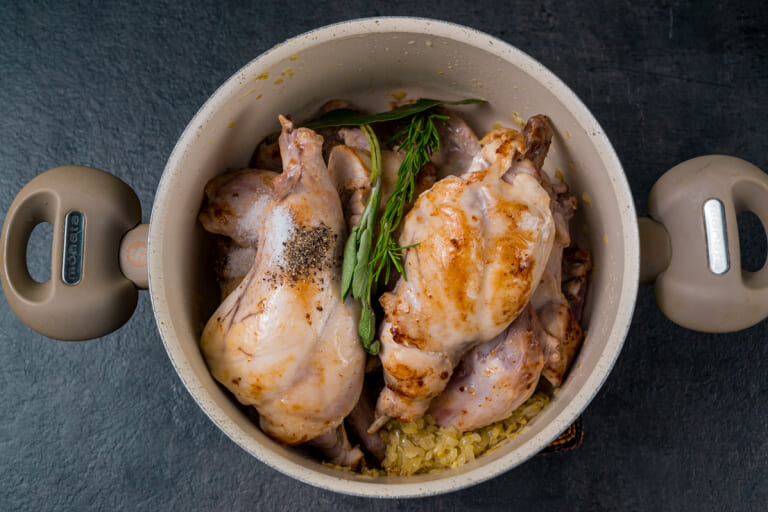
Combine Ingredients in the Pot
Add the browned rabbit, hot wine (with the remaining fat), salt, and spices to the sautéed vegetables in the pot.
I used two allspice berries, a few juniper berries, a sprig of rosemary, sage, and a bay leaf for the spices. However, you can substitute them with a bouquet of garni (parsley, thyme, bay leaf), basil, oregano, or other herbs and spices that suit your taste.
A cast-iron pot with a tight lid or a good thick-walled pot is ideal for braising meat.

Add Water to the Meat
Pour water over the rabbit until it is almost entirely covered. As it cooks, the meat will soften and settle in the pot. I used approximately 2 cups (500 ml) of water, but you may need more or less depending on the pot size and the amount of meat. The total liquid will affect the quantity and flavor concentration of the sauce.
Should You Add Water While Braising?
The stability of the sauce volume depends on how quickly the liquid evaporates. The sauce volume will likely remain stable if you use a pot with thick walls and a heavy lid and cook on low heat. However, if your pot doesn't retain heat well or you cannot regulate the temperature, you may need to add water or turn the meat more frequently.
If you need to add water, make sure to preheat it until it reaches a rolling boil before adding it to the mixture.
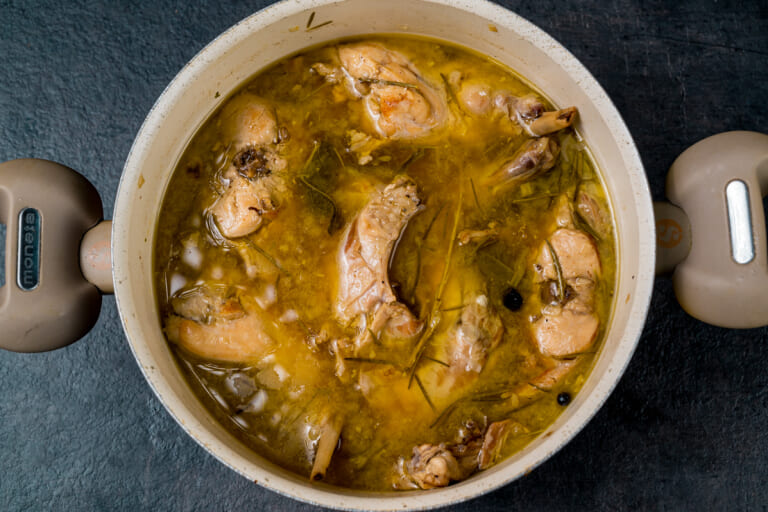
Braise the Rabbit
Braise the rabbit, covered, on low heat for 1.5-2 hours until fully cooked.
When preparing rabbit meat, it is best to simmer it for longer to make it more tender and soft. I recommend cooking it on low heat for 2-3 hours. Alternatively, you can place the rabbit in a cast-iron or ceramic pot and bake it in the oven at 285-300°F (140-150°C) for 3-5 hours.
When the meat falls off the bone, that's an indication that the rabbit is completely cooked.
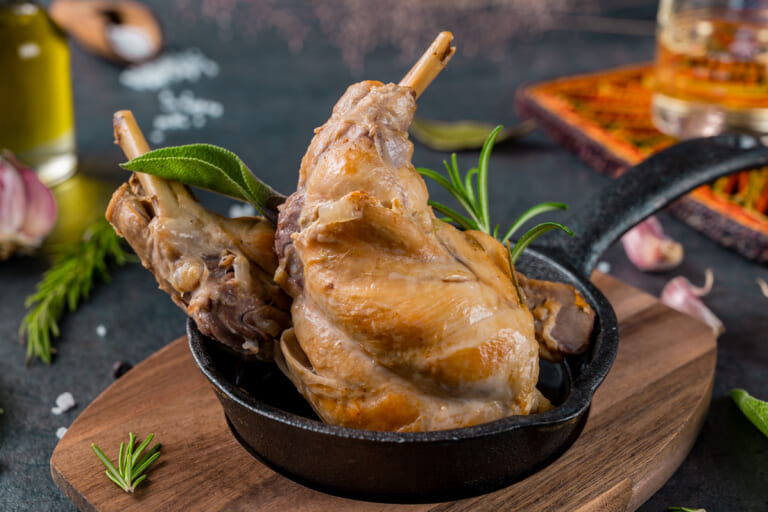
Serving and Storing Wine-Braised Rabbit
Serve the braised rabbit hot, drizzled with the sauce. It pairs well with rice, mashed potatoes, or boiled new potatoes.
You can store the braised rabbit in the refrigerator with its sauce for 3-4 days. Once chilled, the broth will become a delicious aspic.
Leave a Comment